As asphalt paving continues to be a popular choice for both residential and commercial properties, understanding the intricacies of this process is crucial. While many homeowners and business owners see asphalt paving as a straightforward solution for driveways, parking lots, and roads, the reality is that there are hidden costs lurking beneath the surface. This article will explore these hidden costs in detail, offering insights into the various factors that can affect your asphalt paving project.
Understanding Asphalt Paving
What is Asphalt Paving?
Asphalt paving involves laying down a mixture of aggregates, binder, and filler to create a durable surface suitable for vehicles and foot traffic. It's commonly used for driveways, parking lots, and roadways due to its longevity and cost-effectiveness.
The Importance of Quality Asphalt Companies
Choosing the right asphalt companies is paramount. Not all contractors provide equal service or quality materials. A well-established company often has more experience with different terrains and weather conditions, which can significantly impact your project's outcome.
The Basics of Asphalt Driveway Installation
What Does Asphalt Driveway Installation Entail?
The process includes site preparation, laying the base material, applying hot mix asphalt paving, compacting it down properly, and ensuring proper drainage. Each step requires careful consideration to avoid costly mistakes later on.
Factors Influencing Asphalt Driveway Cost
Several elements influence the overall cost of an asphalt driveway installation, including:
- Size of the area Quality of materials Labor costs Site preparation requirements
Understanding these factors can help you avoid unexpected expenses.
Hidden Costs in the Asphalt Paving Process That Could Surprise You
Site Preparation: More Than Just Clearing Space
One overlooked aspect is site preparation. If your property has uneven terrain or existing pavement that needs removal, expect additional charges from your asphalt paving contractors.
Permitting Fees: Are They Necessary?
In many regions, permits are required for any significant paving work. Be sure to check local regulations; otherwise, you might face fines or delays.
Drainage Solutions: An Often Forgotten Expense
Proper drainage is essential for extending the life of your asphalt driveway. If your location requires additional drainage systems like French drains or catch basins, this can add significantly to your overall costs.
Material Quality: The Price of Choosing Cheap Options
While it may be tempting to go with lower-quality materials to save money upfront, this decision can lead to higher maintenance costs in the long run.
Labor Costs: Skilled vs Unskilled Workers
You might assume that all labor costs are similar; however, skilled workers typically command higher wages due to their expertise. Investing in experienced asphalt paving contractors will often yield better results.
Sealcoating: An Essential Yet Overlooked Step
commercial parking lot stripingMany people underestimate the importance of sealcoating after installation. Regular sealcoating protects against UV rays and weather damage but adds an additional expense that should be planned for.
Maintenance Costs You May Not Consider
Regular Maintenance: Why It’s Crucial
Routine maintenance like sealcoat application or crack sealing can prevent larger issues down the line but comes at an additional annual cost.
Asphalt Driveway Repair: What Happens When Things Go Wrong?
If you neglect maintenance or if unforeseen issues arise (like cracking due to tree roots), repair costs can escalate quickly.
Parking Lot Paving: Commercial Considerations
Understanding Parking Lot Paving Costs
For businesses considering parking lot paving services, it's vital to grasp how these projects differ from residential ones regarding size and complexity.
ADA Compliance: An Additional Requirement
Businesses must ensure their parking lots meet ADA compliance regulations. This may require specific markings or accessibility features that add further costs.
The Role of Weather in Asphalt Paving Projects
Seasonal Considerations for Asphalt Paving
Weather conditions play a significant role in both installation timelines and quality outcomes. Rainy seasons could delay projects while excessive heat could affect curing times.
Choosing Between Resurfacing vs Repaving
When Should You Resurface Your Asphalt?
If your driveway shows signs of wear but remains structurally sound, resurfacing might be a more affordable option than full repaving.
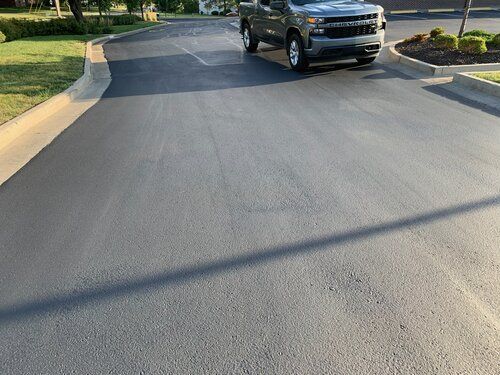
Cost Comparison: Resurfacing vs Repaving
Understanding when each option makes sense financially can save you considerable money over time.
Local Regulations That May Affect Your Project
Zoning Laws Impacting Your Project’s Scope
Local zoning laws may dictate where you can pave or what materials are permissible—leading to potential delays or increased planning expenses if not accounted for beforehand.
FAQs About Hidden Costs in Asphalt Paving
What are common hidden costs in asphalt paving?- Common hidden costs include site preparation fees, permitting fees, drainage solutions, material quality differences, labor variations, and ongoing maintenance expenses.
- Weather impacts installation timelines; extreme temperatures can hinder curing processes while rain may cause delays.
- Yes! Sealcoating protects against sun damage and extends lifespan but does incur additional annual costs.
- Businesses must follow ADA guidelines for parking lots which may require extra marking services.
- If minor cracks exist but no major structural issues are present, resurfacing could be sufficient; otherwise repaving would be necessary.
- With proper maintenance like sealcoating every few years and quick repairs on cracks or holes considered normal lifespan ranges between 15-30 years depending on usage patterns.
Conclusion
Navigating through the complexities associated with asphalt paving requires careful consideration not just during installation but throughout its entire lifecycle—including long-term maintenance strategies as well as understanding potential hidden costs along every step taken towards achieving durable surfaces tailored specifically according individual property needs! By being aware of these aspects ahead time; homeowners/business owners alike ensure smooth sailing while staying budget-friendly throughout their respective projects! Understanding “Hidden Costs in the Asphalt Paving Process That Could Surprise You” allows informed decisions that safeguard investments made into durable solutions!